Bulky rubbish collection Crouch End and Hornsey guide
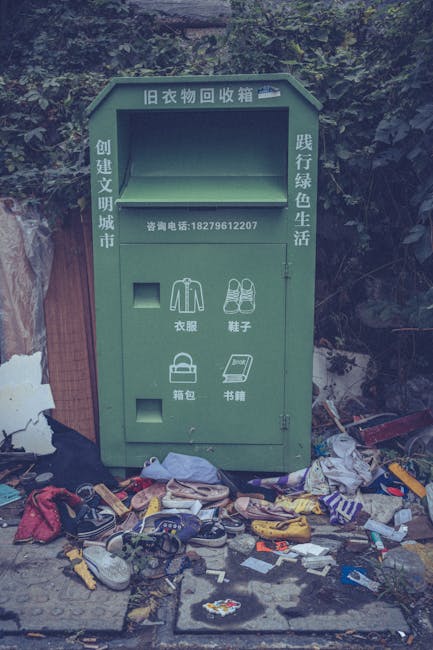
If you are staring at a broken sofa, a wobbly wardrobe, or a pile of old bits that simply will not fit into the car, you are not alone. Bulky rubbish collection in Crouch End and Hornsey is one of those jobs that sounds straightforward until you try to do it yourself. Suddenly you are measuring doorways, wondering about lift access, and asking where on earth a mattress is supposed to go on a wet Tuesday afternoon.
This Bulky rubbish collection Crouch End and Hornsey guide explains how the process works, what to expect, which items are commonly collected, and how to avoid the mistakes that turn a quick clear-out into a long weekend headache. Whether you are clearing a flat, a house, a garage, or an office, the aim here is simple: help you make a sensible, clean decision without the faff.
Why Bulky rubbish collection Crouch End and Hornsey guide Matters
Bulky rubbish is different from everyday bin waste. We are talking about items that are awkward, heavy, dirty, or simply too large for normal household collection. A single armchair can be manageable. Three wardrobes, a sprung mattress, and a few bags of mixed junk? That becomes a proper job.
In places like Crouch End and Hornsey, properties can be a bit tight for access. You might have narrow hallways, shared entrances, basement flats, restricted parking, or stairs that feel steeper when you are carrying something heavy. That is why planning matters. Not because the job is complicated in theory, but because the practical bits are what usually trip people up.
There is also the waste-handling side of it. Bulky items often need sorting before disposal, especially if they include wood, metal, textiles, electrical components, or upholstered furniture. A good collection service should help separate what can be reused, recycled, or responsibly processed rather than sending everything straight to landfill. If you are looking more broadly at the type of work involved, pages such as rubbish removal and waste clearance give a useful picture of the wider service area.
Expert summary: bulky rubbish collection matters because it saves time, reduces physical strain, prevents fly-tipping, and helps you deal with awkward household waste in a controlled, legal way. Simple enough, but very useful when the spare room is beginning to resemble a storage unit.
How Bulky rubbish collection Crouch End and Hornsey guide Works
The exact process varies a little by provider, but the overall flow is usually similar. First, you identify what needs to go. Then you describe the load clearly, arrange a collection window, and make sure the items are accessible. On the day, the team removes the bulky items, loads them safely, and takes them away for disposal, recycling, or onward handling depending on the material.
For many households, the simplest route is to bundle bulky items with a general clear-out. For example, if you are also dealing with an overfilled garage or a room full of mixed clutter, it can make sense to look at a broader option like garage clearance or home clearance. That way, the bulky items are not treated as a separate, awkward problem; they are just part of a more efficient visit.
People sometimes worry that bulky collection means everything has to be perfectly sorted in advance. Not usually. A bit of preparation helps, of course, but in real life it is often a mixed load: some furniture, a couple of broken storage boxes, a mattress, and a bit of renovation offcut. That is normal. What matters is being honest about what you have, so the crew can arrive with the right vehicle, enough labour, and the right expectations.
There is also a strong difference between a simple bulky pick-up and a more involved clearance. If your load includes a lot of furniture, you may want to read about furniture disposal or, where the item is a sofa, sofa removal. Those services are often chosen because they deal with the awkward bits that are hard to shift on your own, especially if you live upstairs and the lift is, shall we say, having a moment.
Key Benefits and Practical Advantages
There are a few very real reasons people choose professional bulky rubbish collection instead of trying to manage it themselves.
- It saves physical effort. Heavy lifting is the obvious one, but awkward shapes are often the bigger issue. A big dresser or bed base is more about manoeuvring than weight.
- It saves time. One collection visit can replace several trips to a reuse centre or waste site.
- It reduces stress. No van hire, no borrowing a friend's estate car, no awkward argument over who gets the mattress in the hallway.
- It improves safety. Poor lifting technique, blocked exits, and overloaded cars all create avoidable risks.
- It helps keep the property tidy. If you are preparing for new tenants, tradespeople, or a sale, removing bulky rubbish quickly makes a visible difference.
There is another advantage people sometimes overlook: momentum. Once the large items are gone, the rest of the room suddenly looks manageable. That psychological shift matters. You know the feeling. It is the difference between "we need to sort this eventually" and "right, this is actually under control."
If your project is tied to a move or a major reset, broader services like flat clearance or house clearance may be more efficient than booking item by item. For office premises, office clearance can be the better fit. Different problem, different tool.
Who This Is For and When It Makes Sense
Bulky rubbish collection is useful for more people than you might think. It is not only for end-of-tenancy jobs or big renovations. In practice, it helps with a wide range of everyday situations.
- Homeowners clearing out old furniture, broken appliances, or loft clutter
- Tenants moving out and needing to leave a flat clear and presentable
- Landlords and letting agents dealing with left-behind items after a tenancy ends
- Families making space after a major room change, child's bedroom refit, or bereavement clear-out
- Tradespeople with bulky offcuts, packaging, or renovation leftovers
- Small businesses replacing office furniture or removing redundant stock
It also makes sense when access is awkward. If a furniture item will not fit through the stairs, if parking is limited, or if you simply do not have the energy to dismantle things first, a professional collection can be the calmer option. Truth be told, that is often why people call in help in the first place.
And yes, bulky rubbish can appear in a garage, a shed, a garden corner, or even a hallway that has become the temporary home of three chairs and an old printer. If the mess has spread beyond one item, a more general service such as rubbish clearance or waste removal may be more appropriate.
Step-by-Step Guidance
Here is a practical way to approach bulky rubbish collection without overcomplicating it.
- List everything you want removed. Be specific. A "set of drawers" is more useful than "wood thing."
- Separate bulky items from general waste. This helps avoid confusion and makes the load easier to quote.
- Check access. Note stairs, lift access, parking restrictions, gates, and any items that may need dismantling.
- Take a quick photo if possible. This is especially useful for mixed loads or unusual items.
- Decide whether you need a single-item collection or a full clearance. A couple of items may be simple; a full room may not be.
- Make the items reachable. Move them away from fragile furniture, hallways, or exits if you can do so safely.
- Book a suitable time slot. If you are in a flat, choose a window that works with neighbours and building access.
- Keep doors and routes clear on the day. It sounds obvious. It is also the bit people forget most often.
- Ask what happens next. If the items can be reused or recycled, a good provider should be able to explain that at a high level.
If the collection is part of a bigger spring clean, it can be wise to include other nearby clutter too. That might mean one visit instead of several. For example, if the room contains old office gear or paperwork shelving, you might explore business waste for commercial loads, or home clearance for a domestic clear-out that has grown legs.
Small detail, but useful: if the item is massive and awkward, think about where it will be placed during removal. A sofa dragged into the middle of the flat can become the obstacle, not the solution.
Expert Tips for Better Results
Over the years, the best bulky collections have one thing in common: the client has done a little bit of prep without trying to micromanage the whole job. That balance really helps.
- Group items by type. Furniture together, mixed junk together, electrical items separate if applicable. It speeds up loading and reduces confusion.
- Take doors off where sensible. Only if safe and practical. A wardrobe that is slightly smaller can save a lot of trouble.
- Measure the biggest item. Not because anyone loves measuring tape, but because oversized items can change the plan.
- Protect shared areas. In flats and maisonettes, a quick sweep of the route can help avoid scuffs or friction with neighbours.
- Tell the truth about access. If the parking is tricky, say so. If there are four flights of stairs, say so. It is better to be exact than optimistic.
- Think in zones, not piles. One zone for keep, one for remove, one for donate or reuse if needed. Simple system, less stress.
Another good habit is to combine bulky rubbish with related clearance work only when it genuinely simplifies the job. For instance, a garage stuffed with old furniture and garden waste may justify a broader visit. In that situation, pages like garden clearance and waste collection can be helpful touchpoints in understanding what can be handled together.
And if you are doing the whole lot before a move, do the bulky stuff first. Once that large wardrobe is gone, the rest tends to look like small potatoes. Not glamorous, but very effective.
Common Mistakes to Avoid
A lot of collection problems come from a handful of repeated mistakes. Nothing dramatic, just avoidable stuff.
- Underestimating the load. That "one sofa and a few bits" often becomes "actually, there's also a mattress, a desk, and some random metal frame."
- Ignoring access issues. If a vehicle cannot park close by, the job may take longer than expected.
- Leaving preparation until the last minute. The day before is not ideal for sorting, dismantling, or clearing routes.
- Mixing different waste types without warning. Builders' waste, garden cuttings, and household furniture are not always handled the same way.
- Forgetting about shared spaces. Stairs, hallways, and courtyards need a bit of care in flats.
- Booking the wrong kind of service. A single sofa is not the same as a full property clear-out.
One of the more common real-world mistakes is assuming a collection team can magically solve access problems that no one mentioned. If the load is on a third-floor landing and the lift is out, that changes everything. Better to flag it early. Saves everyone a headache.
For renovation leftovers, you may need a more appropriate route such as builders waste. For large numbers of redundant work items, office clearance can be the better fit. Matching the service to the waste makes the whole job cleaner and smoother.
Tools, Resources and Recommendations
You do not need a van full of kit to prepare for bulky rubbish collection, but a few simple tools help a lot.
- Measuring tape for large furniture and awkward access points
- Heavy-duty gloves for safety when moving lighter items
- Basic screwdriver or Allen keys for dismantling beds, tables, or flat-pack pieces
- Strong bin bags or rubble sacks for smaller mixed items around the bulky load
- Marker pen and labels if you are separating keep, remove, donate, and recycle piles
- Phone camera to record the load before collection, especially if you are arranging a larger clearance
A practical recommendation: if you are unsure whether the job is a bulky collection or a wider waste project, describe it in plain language. "Two wardrobes, one sofa, broken shelving, and some bags from the loft" is much more useful than trying to sound tidy. Real loads are rarely tidy anyway.
If you are trying to get a better sense of how different waste jobs fit together, the cluster of pages around rubbish collection, waste disposal, and rubbish removal can help you compare the language people often use for the same general problem.
Law, Compliance, Standards, or Best Practice
For waste collection in the UK, the safest approach is always to use a responsible, traceable service and avoid informal dumping arrangements. You do not need to become a waste law expert, but you do want to avoid the kind of mistake that ends with rubbish being tipped somewhere it should never have been.
Good practice generally means the provider should know how to handle items responsibly, protect shared property, and dispose of waste in a lawful way. For you, the practical side is simple: describe the waste honestly, keep records if needed, and make sure you are not asking for anything that could be classed as hazardous without warning.
Some items need extra care. Electrical goods, upholstered furniture, and mixed materials may require different handling routes. If you have anything unusual, say so early. If in doubt, separate it and ask before collection day. That small bit of caution is worth it.
It is also worth remembering that fly-tipping is a real issue in London. Handing items to someone who cannot explain where they go is not worth the risk. The cheapest option is not always the cheapest, if you see what I mean. A proper, transparent service is the better standard to aim for.
Options, Methods, or Comparison Table
People often choose between a few different ways to get rid of bulky items. The right one depends on quantity, access, urgency, and how much effort you want to put in yourself.
| Method | Best for | Pros | Trade-offs |
|---|---|---|---|
| DIY tip run | Very small loads and people with a van | Feels direct and can be economical for one-off items | Time-consuming, physically demanding, parking and loading can be awkward |
| Bulky rubbish collection | Single items or medium loads | Fast, practical, less lifting and less hassle | Needs accurate description of the load and access |
| Full clearance service | Rooms, flats, garages, or larger mixed loads | Good for bigger jobs and can bundle different item types together | May be more than you need if you only have one item |
| Specialist item removal | Sofas, furniture, or specific categories | Useful for awkward or heavy items with a clear route | Less flexible if the load becomes mixed or grows unexpectedly |
As a rule of thumb, the smaller the load, the more a targeted collection makes sense. The larger and messier the job, the more value you get from broader services like flat clearance or house clearance. Easy enough in principle. The trick is being honest about the actual size of the job.
Case Study or Real-World Example
Here is a realistic example from a typical local scenario. A couple in a Hornsey flat had a broken sofa, a dismantled wardrobe, two office chairs, and assorted clutter from a spare room they had promised to turn into a nursery "next month" for nearly a year. The problem was not just the waste; it was access. Narrow stairs, one awkward corner, and a front entrance shared by several neighbours.
Instead of trying to squeeze everything into a borrowed car over several trips, they grouped the items, checked the measurements, and cleared the hall in advance. The sofa was the big issue, naturally. Once that was assessed properly, the rest was straightforward. The collection itself was completed in one visit, and the room felt usable again straight away.
What made it work? Three things:
- They described the items accurately instead of guessing.
- They flagged the access issues before the day.
- They treated it as a small clearance, not a series of random bits.
The interesting part was their reaction afterwards. Not excitement exactly - more relief, the kind you feel when a task that has lived in the back of your mind for months finally disappears. Very familiar feeling, that one.
Practical Checklist
Use this quick checklist before your bulky rubbish collection.
- Have you listed every bulky item clearly?
- Do you know whether it is a single-item collection or a larger clearance?
- Have you checked access, stairs, parking, and lift availability?
- Are any items too heavy, too large, or likely to need dismantling?
- Have you separated furniture, garden waste, builders' waste, and mixed rubbish if relevant?
- Have you cleared a path to the items?
- Have you warned anyone else in the property or building if needed?
- Have you checked whether the job is better suited to waste clearance or a more specific service?
- Are you ready for the collection window without rushing?
- Have you thought about what will happen after the bulky items are gone?
If you can tick most of those off, you are in good shape. And if not, no drama. Just tidy up the plan a bit before booking.
Conclusion
Bulky rubbish collection in Crouch End and Hornsey is really about making a difficult task feel manageable. Once you understand the load, the access, and the right type of service, the whole thing becomes much easier to organise. That is the real win here. Not just getting rid of old furniture or awkward items, but doing it in a way that feels calm, safe, and properly finished.
For a lot of people, the hardest part is starting. After that, the clear-out usually gathers pace fast. One sofa gone, one room opened up, and suddenly the whole place feels lighter. Little things, but they matter.
Get a free quote today and see how much you can save.
When the clutter finally leaves, the space gives you something back - a bit of breathing room, a bit of order, and a much nicer place to stand with a cup of tea.
Frequently Asked Questions
What counts as bulky rubbish?
Bulky rubbish usually means large or awkward household items such as sofas, mattresses, wardrobes, tables, chairs, bed frames, and similar items that are too heavy or oversized for regular bin collections.
Do I need to move the items outside before collection?
Not always. It depends on the provider and the access. In many cases, items can be removed from inside the property if the route is clear and safe. If access is tricky, say so in advance.
Can bulky rubbish collection include mixed items?
Yes, often it can. A mixed load might include furniture, bags of clutter, and some light household waste. If the mix includes renovation debris or commercial waste, it is best to mention that clearly.
Is bulky rubbish collection suitable for flats?
Absolutely. Flats are one of the most common reasons people book this kind of service. The key issues are stairs, lifts, access times, and shared entrances, so those details should be checked first.
What if my sofa will not fit through the door?
That happens more often than people expect. The item may need partial dismantling, or a different removal approach may be needed. Mentioning the size and access route before booking makes a big difference.
How does bulky rubbish collection differ from waste clearance?
Bulky collection is usually focused on large individual items or a modest group of awkward objects. Waste clearance is broader and may cover a wider mix of rubbish, clutter, and stored items from rooms, garages, or gardens.
Can I combine bulky rubbish with a house clearance?
Yes, and that is often sensible when you have several rooms or a larger amount of unwanted stuff. A broader clearance can be more efficient than treating each item separately.
What should I do before the collection team arrives?
Clear the path, separate items where possible, and make sure access is straightforward. If there are shared hallways or parking restrictions, it helps to think those through beforehand rather than on the day.
Are old electrical items handled differently?
Often, yes. Electrical items can require separate handling depending on their condition and type. If you have anything unusual, tell the provider clearly so it can be assessed properly.
Is it worth booking a collection for just one bulky item?
It can be, especially if the item is heavy, awkward, or hard to move. One sofa or wardrobe can be enough to justify a dedicated collection if it saves you time, lifting, and transport hassle.
What happens if the load is bigger than I expected?
If the load is larger on the day, the provider may need to adjust the job. That is why honest descriptions and a quick photo are so helpful. A small overestimate is usually easier than an unpleasant surprise.
Can bulky rubbish collection help after a move?
Yes, it is one of the most useful times to book it. Moving often leaves behind odd items, damaged furniture, or things that no longer fit the new space. A collection can tidy up the loose ends fast.
How do I know whether I need furniture disposal or sofa removal?
If the main item is a single sofa, sofa removal is usually the clearer fit. If you have multiple pieces of furniture, furniture disposal may be more appropriate. The difference is mostly about the type and size of the load.
Why do people in Crouch End and Hornsey book this service so often?
Because local properties often have limited access, shared entrances, or awkward layouts, and bulky items are just easier to deal with through a proper collection. It saves effort and avoids dragging huge furniture around for no good reason.